Verity: Somewhere in the Liminal Space
Page to Palette looked a little different this month.
There was no elaborate activity waiting for us. No craft table. No perfectly themed menu.
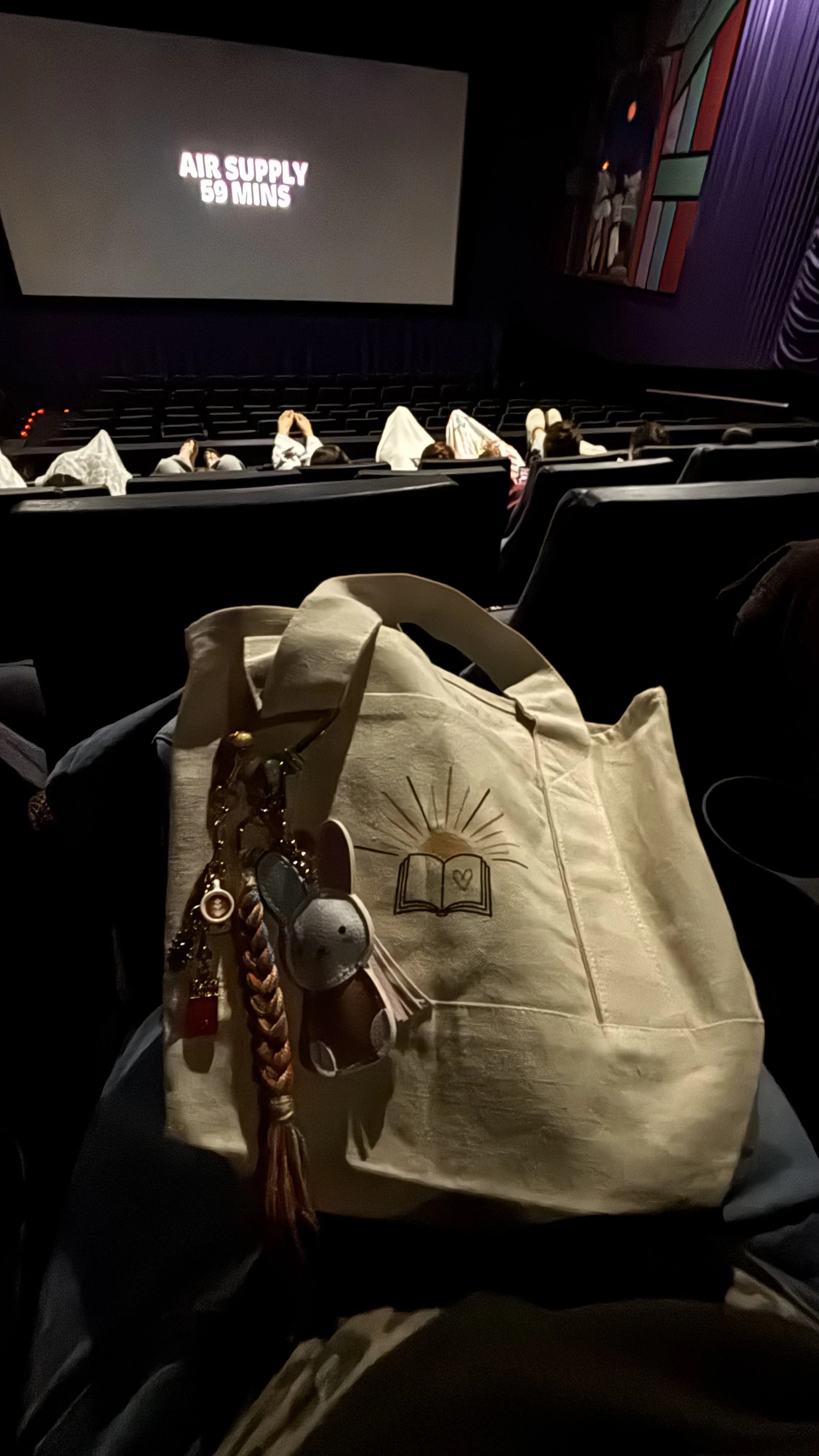
Instead, we started with an early dinner and appetizers at O’Neill’s before heading to the theater to see Verity.
And almost as soon as we sat down, the conversation started.
It turns out we weren’t all coming into the movie with the same version of the story. Several of us had read the bonus chapter. Others had only read the original ending. And one of us hadn’t read the book at all.
So naturally, we had questions.
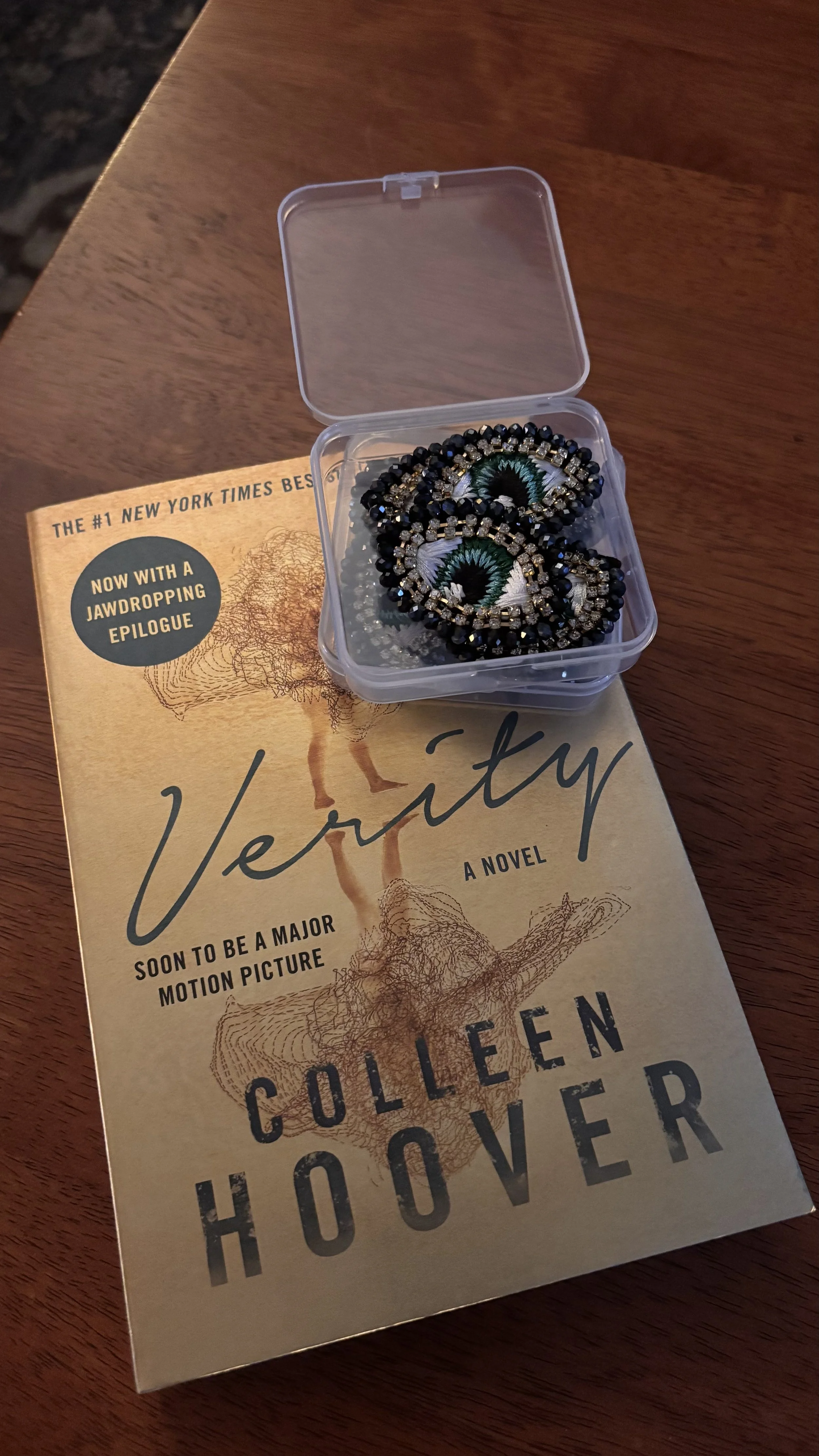
Who do we trust?
Is Verity the villain? Is Jeremy? Do we believe the manuscript—or the letter?
Surely the movie was going to clear some of this up for us.
(It did not.)
Down the Rabbit Hole
Somewhere between appetizers and leaving for the theater, our conversation wandered away from Verity. We talked about other thrillers we’ve loved. There was some Dancing with the Stars chatter.
And then, somehow, we ended up talking about the movie, Backrooms, and the concept of liminal spaces.
I realized that I am so out of the loop.
But since we were about to watch a psychological thriller—a pretty big departure from our usual contemporary rom-com territory—I figured, why not?
Let’s go down the rabbit hole.
A liminal space, I learned, is essentially an in-between place. A place meant to be passed through rather than stayed in. Hallways. Empty waiting rooms. Airports late at night. A school after everyone has gone home.
Places that are familiar but somehow feel wrong when they’re empty.
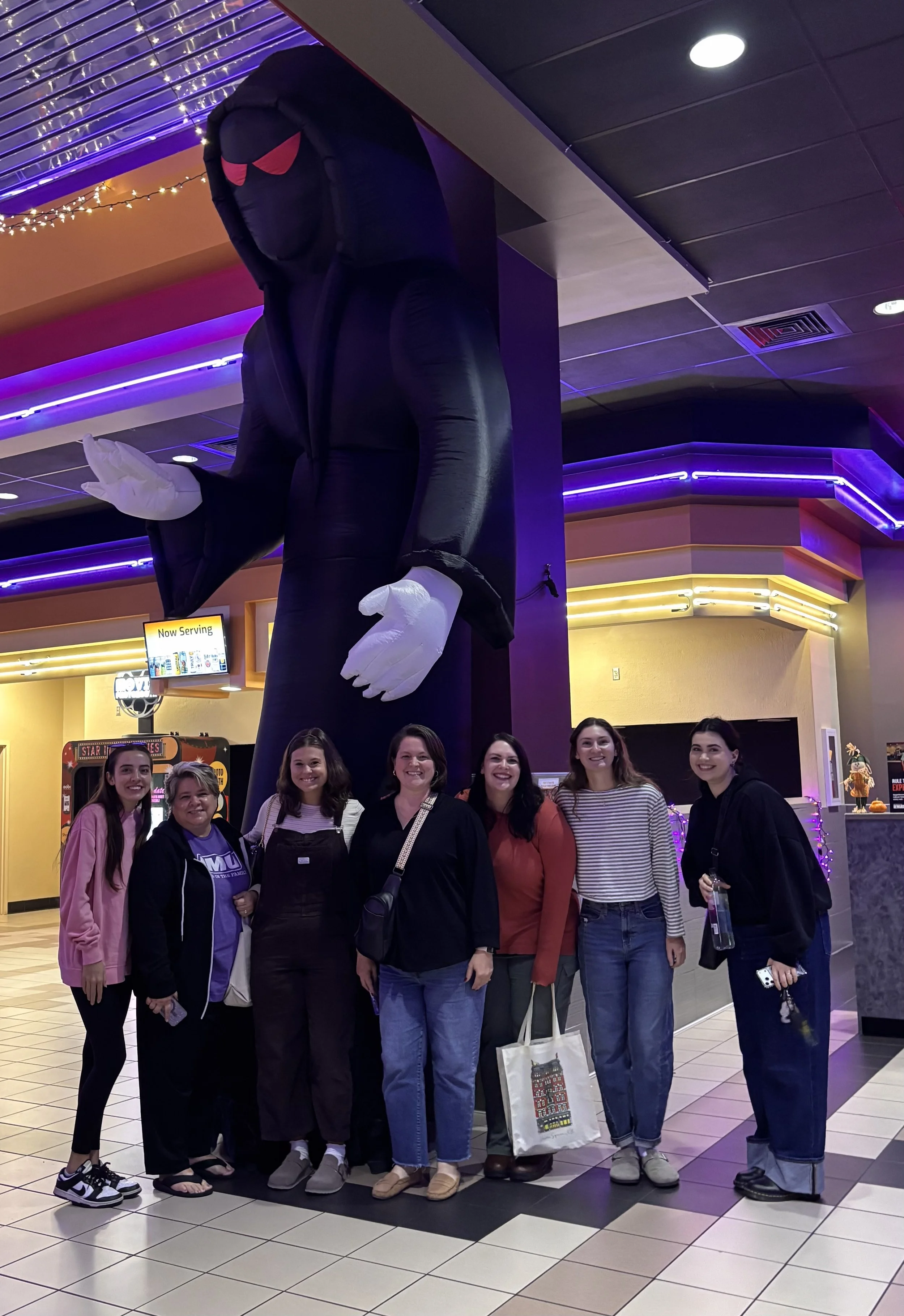
And then we walked into the movie theater.
And there it was.
A liminal space.
A movie theater lobby, once filled with noisy video games and a claw machine, now mostly empty.
Strange yellowish lighting. Hallways leading to dark theaters.
Suddenly our completely random dinner conversation didn't feel quite so random anymore.
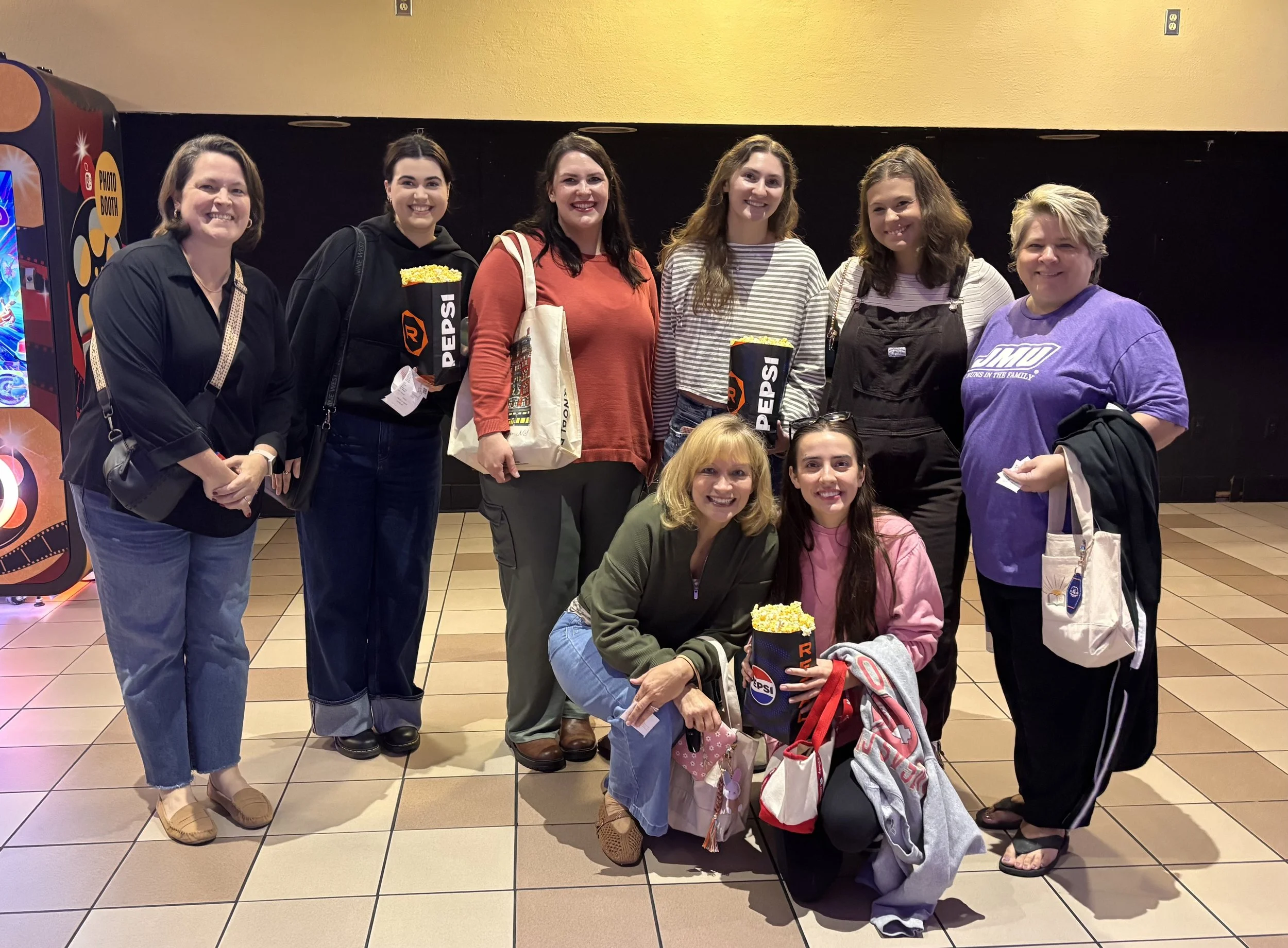
Somewhere Between the Manuscript and the Letter
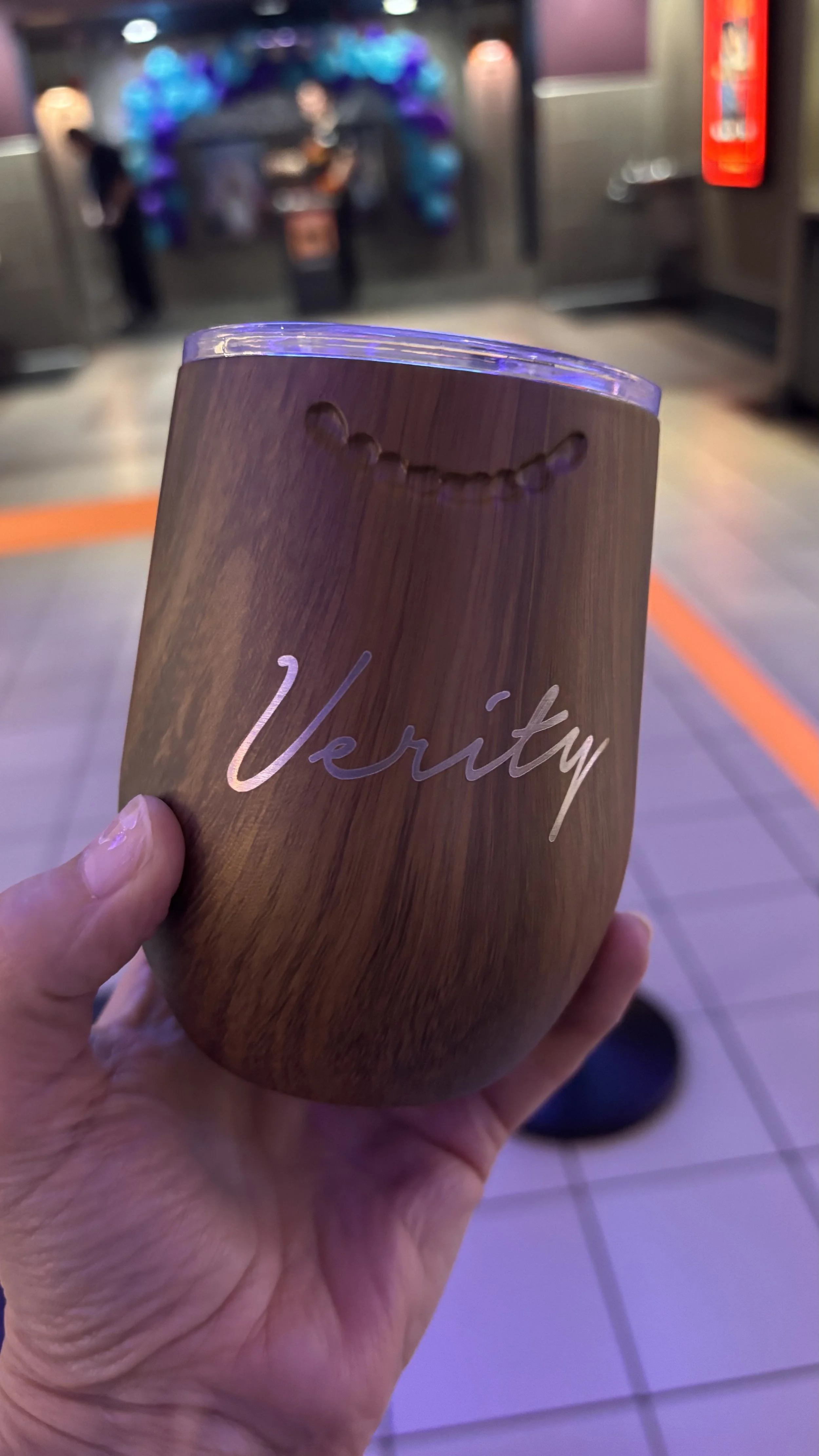
Then we watched Verity.
And if we thought the movie was finally going to tell us what actually happened, we were very, very wrong.
Was Verity a psychopath who deliberately let her daughter drown?
Did Jeremy try to kill Verity and fail?
And if he did…can we blame him? He had just read the manuscript, after all.
Was Verity really practicing “antagonistic journaling,” writing from the perspective of someone horrible so she could better understand the villains in her books?
Was the entire thing one enormous, horrifying misunderstanding?
What did the nurse know?
And WHY DIDN’T SHE HELP HER ESCAPE?
We left the theater with approximately zero answers.
And I think that may be exactly the point.
There is no comfortable place to land in Verity. Every time you think you know what happened, another possibility opens up. The manuscript gives us one version. The letter gives us another. The bonus chapter complicates everything even further.
We are left somewhere in between.
In the liminal space.
And Maybe That's the Point
Oddly enough, that's also one of the things I love most about Page to Palette.
We start with a book, but we never really know where it's going to take us.
Sometimes it takes us to a lake or a coffee shop. Sometimes it leads to crafts, themed drinks, or conversations about our favorite scenes.
And apparently, sometimes it takes us from Colleen Hoover to Dancing with the Stars to Backrooms to standing in a nearly empty movie theater contemplating the unsettling nature of empty spaces that used to be brimming with life.
There are always twists and turns. Conversations that wander off the beaten path. Things I didn't know before I walked through the door.
This time, we entered the evening wondering whether we believed the manuscript or the letter.
We left still wondering.
But I learned what a liminal space is.
Well…sort of.
I still have absolutely no idea where the whole concept came from.
And maybe that's appropriately Verity, too.